‘ नमो तस्स लोक हिताय नाथगतस्स ’
भोजपुर टक्सार शाक्य समाज
BHOJPUR TAKSAR SHAKYA SAMAJ
Lalitpur, Nepal

‘ नमो तस्स लोक हिताय नाथगतस्स ’
Lalitpur, Nepal
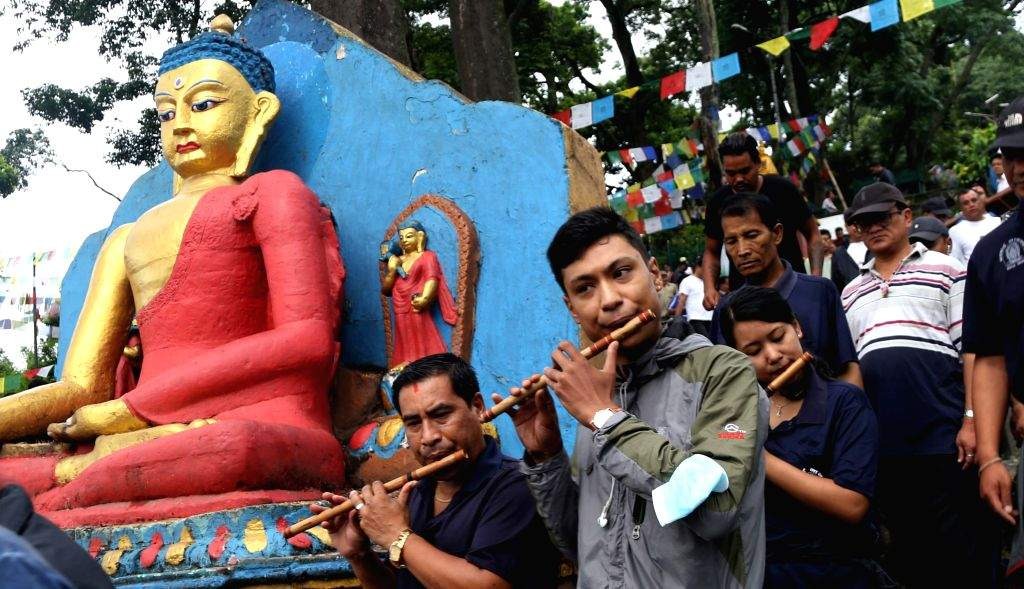
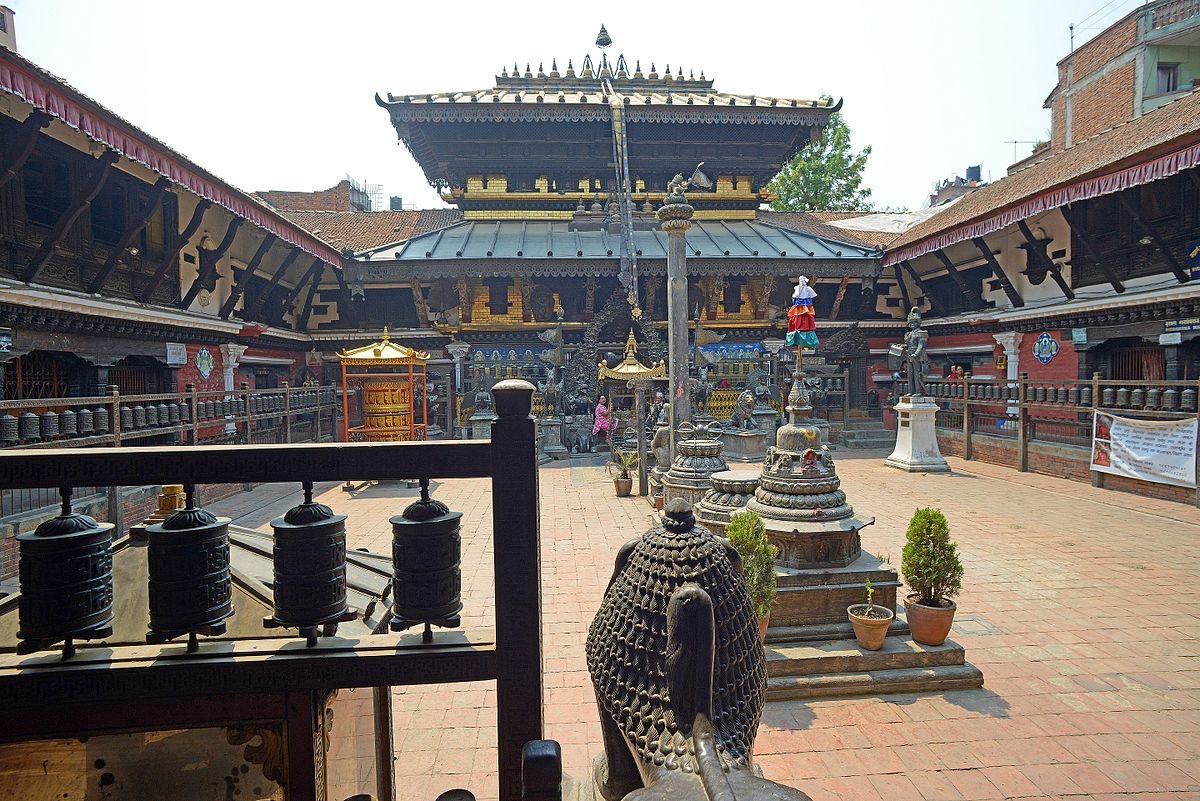
नेपालको सांस्कृतिक राजधानी ललितपुरको मुटुमा, भोजपुर टक्सर शाक्य समाज भनेर चिनिने गर्विलो र आध्यात्मिक रूपमा जरा गाडेको समुदाय बसोबास गर्छ। मूल रूपमा भोजपुरको टक्सरबाट आएको यस समुदायले बौद्ध मूल्यमान्यता, नेवार संस्कृति र शिल्पकलाको समृद्ध विरासत बोकेको छ। उनीहरूको सम्पदाको सबैभन्दा आकर्षक पक्ष भनेको उनीहरूले आफ्नो पहिचान, विश्वास र परम्परालाई मूर्त रूप दिने भौतिक र प्रतीकात्मक वस्तुहरूको संरक्षण र प्रयोग गर्ने सांस्कृतिक उपकरणहरूमा निहित छ। ऐतिहासिक रूपमा, भोजपुरका शाक्य मानिसहरू धातुको काममा अत्यधिक कुशल थिए, विशेष गरी धार्मिक प्रतीकहरू, बुद्ध मूर्तिहरू, अनुष्ठान घण्टीहरू (घण्टा), वज्रहरू (बज्रको प्रतीकहरू), र पवित्र पट्टिकाहरू सिर्जना गर्न। सांस्कृतिक उपकरणहरू देखिने कुराभन्दा बाहिर फैलिएका छन् - तिनीहरूमा चाडपर्व र अनुष्ठानहरूमा जीवन ल्याउने ध्वनि र लयहरू समावेश छन्। भोजपुर टक्सर शाक्य समाजले नियमित रूपमा मादल, खिन, भूस्या जस्ता परम्परागत नेवार संगीत वाद्ययन्त्रहरू प्रयोग गर्दछ। समुदायमा धार्मिक जीवनलाई विभिन्न प्रतीकात्मक उपकरणहरूद्वारा समर्थित गरिन्छ, जसमा दियो, मण्डल र प्रार्थना झण्डा, बटर बत्ती, धूप बाल्ने र अर्पण गर्ने प्लेटहरू समावेश छन्। चाडपर्व र विशेष अवसरहरूमा, समाजका सदस्यहरूले गर्वका साथ परम्परागत नेवार लुगा लगाउँछन्। पुरुषहरूले प्रायः तपालन र सुरुवा लगाउँछन्, जबकि महिलाहरूले हाकु पतासी र परम्परागत गहना लगाउँछन्। सांस्कृतिक उपकरणहरूमा नेपाल भाषा (नेवार भाषा) जस्ता अमूर्त सम्पदा पनि समावेश छन्, जुन प्रार्थना पाठ, कथा कथन र पारिवारिक कुराकानीमा प्रयोग गरिन्छ। समुदायले यो भाषिक विरासतलाई जोगाउन बालबालिका र युवा वयस्कहरूका लागि भाषा कक्षाहरू सुरु गरेको छ। ललितपुरको भोजपुर टक्सर शाक्य समाजले हामीलाई सम्झाउँछ कि सांस्कृतिक उपकरणहरू केवल चीजहरू होइनन् तिनीहरू विश्वास, पहिचान र सम्बन्धको विस्तार हुन्।